PT 3 Life Cycle of Tournament: Monetization, Streaming, and Gameday
- Belverly

- Feb 12, 2023
- 10 min read

We have successfully planned and staffed our administrative team for this tournament. Let's set our sights on recruiting production staff, marketing, forming valuable partners & monetization, game day considerations, and finally, the post-tournament wrap-up.
My goal for this article series is to discuss various parts of the tournament process in depth for those wanting to host tournaments, play in tournaments, or sponsor tournaments. Feel free to hop around the article using the table of contents and ask questions in the comments.
Point of view note: this overview is written from the tournament administrator's viewpoint. My insight will be slightly different than someone in production or as a tournament platform provider. My background is also primarily with OW, RL, Valorant, COD, LOL, and Apex.
Part three: Monetization, Streaming, and Gameday (this Article)
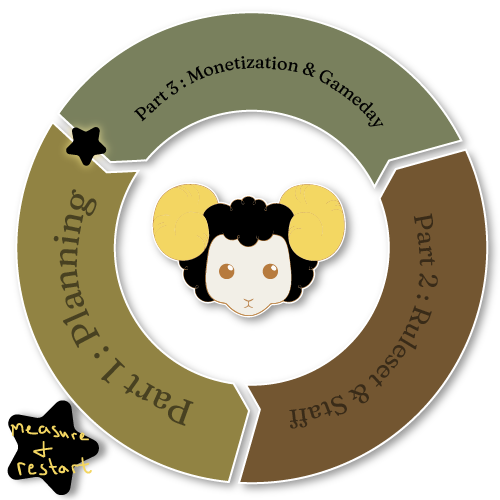
Table of Contents
Streaming Considerations:
Streaming is a great way to publicize your event but it requires much more staffing and experience from your team. You can check all of the specific roles and what they can do below under the Tournament Heirachy section.
The ABSOLUTE minimum amount of people you need for streaming is:
1 caster
1 producer/observer
I have ran events with a skeleton crew with myself as the solo caster, and my producer as my observer, so it is definitely true, but it was very stressful. The need for multiple observers dependents also depends on the game title, but this is the actual minimum that I suggest.
2 casters (PBP, COLOR or two hybrid)
1 Producer
1 observer.
Consider streaming only portions of your tournament to save time and money. Additionally, you will need graphics for your stream package and that will also increase your budget.
For Talent considerations, keep productions to a max of 4-6 hours. After this length, get a second set of casters or do another day for your tournament.
Streaming matches add time to events because it takes time to bring teams in and out of the production lobby. So be sure to include breaks in your tournament stream schedule. I suggest at least 5 but more more than 15 minutes for most game titles. This lets your talent rest and give production enough time to turn over the teams.
I strongly encourage you to do a dry run of the tournament a day or two in advance with talent and production. This allows you to confirm the stream assets are correct, talent is walked through all of the talking points, and everyone gets more comfortable with the flow of the show.
Back to Top
Tournament Hierarchy
It takes a village to run a successful tournament, regardless of the scale and scope of the competition. This article will focus primarily on the production side of tournament hosting. To read more about the administrative staff, please check out Pt 2 of Life Cycle of Tournaments.
While administration and production can operate independently, both teams need to collaborate to ensure the event runs smoothly.
You may have already seen the chart below but here is another refresher. This is an organizational overview of a tournament. In the white portion, you can see an example of a production team hierarchy.
Hierarchy in written form: click each list to expand
Tournament Admin side
Tournament Administrator (TA)
Tournament Organizer (TO)
Moderator (Mod)
Score Keeper
Team Manager Team Captains
Players Competing in the Bracket
Tournament Production side
Tournament Technical Director (TD)
Producer (Prod)
Observer Director (OBS Dir)
Observer 1 (obs 1), observer 2 (obs 2), Replay obs, bird's eye view, map view, etc.
Talent Manager
Host
Shout-casters
Play by play
Color or analytics
Hybrid
Team Manager/Team Captains (to get teams into the production lobby)
Players competing on the broadcasted portions.
Back to Top
Production Staff Scope Of Work
Of course, many tournaments may condense or expand each role depending on their budget and needs. For example, a Producer may be acting as an observer/producer and talent manager. On the flip side, this list of definitions is by no means an exhaustive list of roles needed for production.
Back to Top
Technical Director (TD)
Technical Directors are the leaders for all things in the production track. This staff member oversees all aspects of broadcast, and often recruits and manages staff beneath them if the Tournament Administrator (TA) doesn't oversee all staff recruitment.
Unlike the TA, the technical director will almost always be there during the live events to guarantee the best live production and that all teams are working together in the smoothest compacity.
Sometimes, the Technical director is the same as the Producer.
Back to Top
Producer (Prod)
Producers are technical staff who produces the outgoing format of the broadcasted event. Producers achieve this by taking the stream assets provided by the graphic artist, the game feeds from the observer director or observers, and the talent's webcams and audio feed.
Producers require technical skills in programs like Vmix, OBS, or other similar programs. To handle all of the different streams of information remotely, producers must need a solid computer with a beefy graphics card and reliable internet. Finally, producers need a strong creative eye as they are deciding when which scenes to show in the streaming program.
Back to Top
Observer Director (OBS Dir)
Observer Directors are technical directors who balance all of the different incoming feeds from game play. Much like the Producer, OBS Dir chooses which feed will be used in the live production and require many of the same skills and equipment.
The benefit of having an OBS Dir is there are never dead visuals for the gameplay during the production. The OBS Dir can pick between two to five (or more) feeds to hop between bird's eye view, different players, map overview, and even powerful replays.
Your audience will benefit greatly from an OBS director and your Producer can focus on fewer moving parts ensuring the best competitive production.
Back to Top
Observer (OBS)
Observers as you can probably guess are the staff who are directly in the game lobby (or third-party watch system) collecting different competitive viewpoints. They send this feed to the Producer or Observer Director.
The main benefit of separating Observers from Production is that Producers will not have to be logged into the game, saving their computer's ram for higher production needs only.
Multiple observers increase the chances of seeing cool angles, unsuspecting player POVs, and the occasional replay. It is important to note that most lobbies do cap how many people can be in a single lobby, so balance the needs of your teams with your production team.
Back to Top
Talent Manager (TM)
Talent Manager (TM) are staff who recruit, schedule and manage on-screen talent. TMs must ensure on-screen talent balances each other out and are proficient at the current game title. Talent Managers send out all scripts and other information casters need as well for live production, including who is sponsoring, any special guests, or specific ad reads. The TM also accepts invoices and pays talent.
If your tournament does not have the budget or need for a TM, talent recruitment can be delegated to Tournament Admins or Technical Directors.
Back to Top
Shout-Casters
No live event would be complete without our on-screen talent that brings the game alive for audience. Shout-casters, otherwise known as casters are specialized talent that can break down the gameplay, provide entertainment, take the audience in and out of breaks, and provide all the context needed for the event.
Some casters will be required to read from scripts, memorize important information, and also speak in depth on the game in which the event is covering. Additionally, casters may have notes about players or teams and will introduce them to the audience.
Casters can be broken down into four subcategories for most esports tournaments.
Back to Top
Play-By-Play Caster (PBP)
PBP Casters who breaks down the action moments for the audience to understand, while the action is happening on screen. Sometimes this is because the action happens too fast for the audience to see, othertimes it's because of the chaotic nature of the game itself.
Many PBP casters talk very quickly during the action and take fewer breaks than other casters.
Back to Top
Analytic caster (Color)
Analytic Casters are also known as color casters in some game titles. Color casters are casters who breaks down the successes and failures of the plays in summary. They offers insight beyond just the action happening on screen. Color casters also tend to talk more during the lull points of matches, or during map breaks.
Back to Top
Hybrid Caster
Hybrid Casters are specialized casters who will code-switch between Play-by-play and Analytic depending on the needs of the broadcast. Specific games titles are more likely to require two Hybrid Casters--Rocket League for example.
Back to Top
Host Caster
The Host, or Host Caster, is a specialized caster who hosts the event who will often will read scripts to bring the stream in and out of breaks, conduct interviews, and other responsibilities outside of competitive moments. If there is no host, the other casters will break up the responsibilities normally given to a host.
Back to Top
Players Competing On Broadcast
Players will have to be told not to play specific matches until they are in the observer lobbies.
Additionally players may stream their own POV on their own. You can't control what players say or show on their on private streams. Also, so be sure to have rules stating what steps your team can do if they find suspicious POV streams.
Back to Top
Marketing The Tournament
Once you’ve planned everything out, the next step is to secure teams.
I suggest a varied marketing approach across your socials, including discord channels.
having 3-5 different graphic templates will go a long way to making your content look fresh, prevent players from ignoring your content.
In addition to your tournament promotional, plan out sponsor content. Be sure to lay out the exact structure for how you plan to promote them in your sponsorship plan.
Start on an average 1 month out from your tournament for marketing. You can promote your tournament in discord tournament promotional sections, on tournament websites, and your socials.
Consider having staff and partnership content as well. Tagging your staff and giving them a public thank you is always appreciated. Additionally, if your team isn't on liquipedia yet, this is a great way to provide credit for your staff that they worked on your tournament.
Lastly, it's vitally important to understand the title you are marketing to. Each title has their own micro culture regarding not just their gameplay, but also their registration.
RL players sign up LAST SECOND, so concentrate most of your marketing on the last week, when collegiate teams like to plan way in advance
Back to Top
Sponsorships:
Sponsors care about two things, brand voice, and engagement. They want to make sure your event fits their brand's voice (what they stand for) and if your event (and previous events) can pull the audience they want for their $$$.
If you are established, grab all of your social metrics across all of your platforms, discord, Twitter, twitch, TikTok/IG, email, website, etc. Common metrics include:
Twitch viewership, follower, subscriber, donation;
Discord membership,
Twitter engagement, click, like, and retweet;
Youtube watch time, subscribers, like,
Team/player registration, attendance, enjoyment
Once you have your metrics, create a pitch deck and a onepager that you can send to brands. I suggest a tiered system for tournaments as they make the most sense for brands.
The most important thing to remember while building out your sponsorship plans is that a sponsorship is a two way street. You are giving the brands an audience and the brand is giving you money.
Back to Top
Partnerships
Another great way to provide monetization for your tournament is to form partnerships in the community. Similiar to sponsorships, you will be approaching established communities, companies and brands to host mutually beneficial portions of your tournament. Two notable examples:
Partnering with another tournament provider to host their own seeding event that feeds into your tournament.
Partnering with a hardware company to provide a giveaway for the gear during your tournament. Some tournaments give away entire Gaming Rigs, mouses or headsets. Some companies are more able to sponsor product than monetarily help your tournament.
Back to Top
Game day:
It's taken us three articles, you months to get to the gameday of your tournament. You've prepped an incredible amount but here is some final things to keep in mind.
Be sure to give your staff enough time before and after the tournament matches to prepare and discuss any issues. I call this call time like you would for theatre.
Tournament Admin/Tech Director shows up 2 hours before
Producers/OBS start 1hr-1.5 hr before (depending on how complicated the set up is)
Casters show up 30-45 minutes before start
These are the timings that I found that allows each staff member enough time to do what they need to do and walk the next group of staff through what they need to. While prepping for the event, get your going live and score announcements ready, as well as any social media information that needs to go out.
THERE WILL BE ISSUES DURING THE EVENT.
I'll say that again, THERE WILL BE ISSUES DURING THE EVENT. This is what esports is, and do not stress. Stay calm, and treat everyone with respect. It will either be a technical problem, a behavioral issue, or a moral one. You have your rule set to fall back on for all three of these, so be a good leader first. (and have a good ruleset!!) The gaming will happen.
Back to Top
Wrap up:
Sweet cheese and rice, you have finished your tournament! Thank your team, and take care of any immediate things that need to be done ASAP, like announcing the winners, publically thanking the players and your full staff, and addressing any immediate concerns of your staff. Then rest. You will be tired.
A few days later, do your proper event wrap up:
Did you meet your goals?
What went wrong? What went well? Reflect while everything is fresh.
Update your ruleset to be the most up to date and accurate (for future use).
You most likely had to tweak the ruleset during the live tournament, if it is a worthwhile rule to keep, be sure it is saved in the document.
Grab all of the metrics from your socials to give a report to your sponsors and for your personal record.
This will be great for building report with brands and building your goals in the next tournament.
If you enjoyed the process of running the tournament, maybe you'll want to tentatively mark on the calendar for the next tournament. You guessed it, you're going to be starting all over on planning again.
However, now you're a lot more experienced, knowledgeable, and with great connections. As you hold more events, you'll strengthen your core team and your core ruleset! Of course, you'll need to be flexible and adjust across different game titles, but you'll be a seasoned GOAT.
Back to Top
Want to learn more about tournaments?
Part three: Monetization, Streaming, and Gameday (this Article)


Comments