Queer Representation Matters
- Ivy Z

- Jul 6, 2023
- 6 min read
How Video Games Can Change Perception

In the ever-evolving landscape of video games, the power of queer representation stands tall as a catalyst for social transformation. Beyond mere entertainment, video games have the capacity to challenge societal norms, dismantle stereotypes, and shape perceptions. This article explores the various ways queer representation in video games can impact players helping foster a culture that is more accepting and kinder. The fascinating digital frontier of "Video Games Can Shape Perceptions" reveals a world of suspense and metamorphosis that is concealed beneath the pixels. Players unintentionally enter an intricate tapestry of LGBTQ+ representation as they set out on their virtual missions. In the murky recesses of the gaming universe, interesting tales of mystery and intrigue play out. Intricately detailed characters defy expectations and draw gamers into their compelling lives. Below are some illustrations on how the gaming communities can play their cards right in making spaces safe, accessible and welcoming.
Let’s begin with Challenging Stereotypes and Breaking Boundaries:
Video games have the ability to challenge stereotypes surrounding queer identities by providing nuanced and multifaceted representations. Traditionally, queer characters were often portrayed as caricatures or villains, perpetuating harmful stereotypes. However, modern video games are embracing complex characters whose identities extend beyond their sexual orientation or gender identity. These characters can defy expectations, displaying a range of personalities, strengths, and weaknesses, thereby debunking harmful stereotypes and showcasing the diversity within the queer community. Video games have the unique capacity to depict a variety of queer narratives through immersive storytelling and character development. They challenge prejudice and humanize the queer experience by giving players the opportunity to interact with queer characters who represent depth, complexity, and authenticity. Players can fully experience the pleasures, hardships, and victories of LGBT lives through these virtual interactions, which promote empathy and shatter preconceptions.
For example, in “The Last of Us Part II,” the character Ellie
is a lesbian protagonist whose story revolves around her personal growth and resilience in a post-apocalyptic world. The game explores her complex emotions, relationships, and struggles, presenting her as a fully realized character rather than reducing her identity to a stereotype.The need for empathy and identification:
One of the most powerful aspects of video games is their ability to create immersive experiences that allow players to step into the shoes of the protagonist. By incorporating queer characters as playable or significant non-playable characters, games offer players the opportunity to experience the world through their perspective. This fosters concern and insight, enabling players to develop a connection with the characters and their stories. When players identify with queer characters, it can challenge preconceived notions, encourage open-mindedness, and promote acceptance in the real world. The interactive features elevate representation to new levels. Players actively interact with LGBTQIA+ characters, their challenges and victories as they travel through virtual worlds and make decisions that affect the plot. Players are prompted by these interactive experiences to examine their own prejudices, combat stereotypes, and reflect on cultural standards. Through this approach, participants set out on a path of personal development, broadening their horizons and developing love for the queer community. Video games serve as a catalyst, stirring social debate and promoting group action in favor of inclusivity and equality.
For instance, “Life is Strange” is a narrative-driven game that explores the relationship between two teenage girls, Max and Chloe.
The game tackles themes of friendship, love, and self-discovery while navigating the complexities of queer identity. By allowing players to make choices that shape the narrative, the game encourages players to empathize with the characters and consider the impact of their decisions. This empathetic connection can lead to increased acceptance and understanding of queer experiences beyond the game.
Visibility and normalization:
Representation in video games provides visibility for queer individuals who often feel marginalized or invisible in mainstream media. Including queer characters in diverse genres and storylines, video games normalize queer identities. When players encounter queer characters as a regular part of their gaming experiences, it helps dispel the notion that being queer is abnormal or deviant. This normalization can have a profound impact on players, as it creates a more inclusive environment within the gaming community and society at large. In addition to empowering queer players, inclusive gaming environments encourage a sense of community among all players, regardless of their sexual orientation or gender identity.
“Dragon Age: Inquisition” is an example of a game that offers diverse queer representation.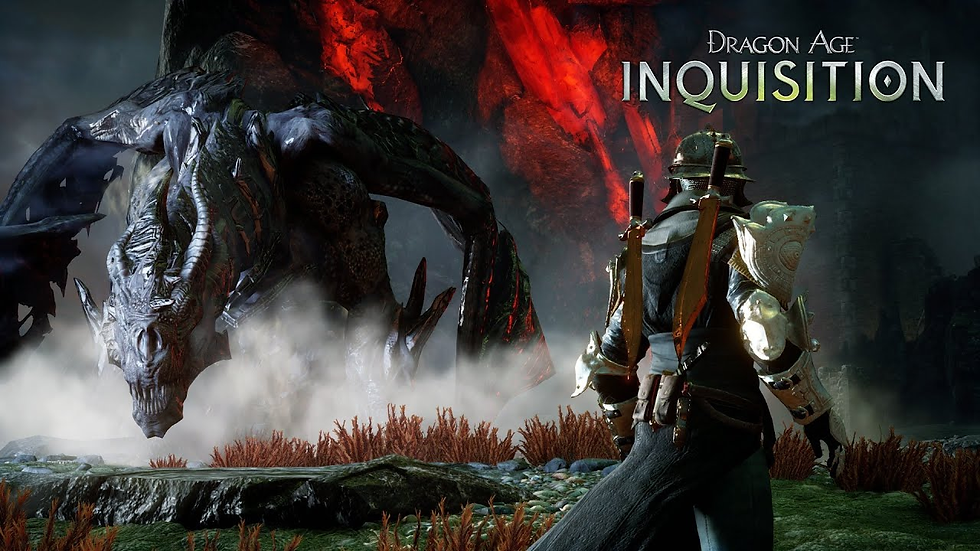
The game allows players to create their character’s sexual orientation and engage in romantic relationships with characters of the same or different genders. By providing a wide range of options for players to explore queer relationships, the game normalizes and validates sexual orientations.Education and awareness:
Video games have the capacity to teach gamers about the experiences, hardships, and successes of LGBT people. Coming out in games can increase awareness among players who may not have personal experiences with these issues through captivating storytelling and well-crafted narratives. This improved awareness may result in more supportive attitudes toward the queer community. Aside from the inherent power of representation within the medium, education and awareness are critical in maximizing the influence of LGBT representation in gaming. To foster a more inclusive gaming culture, education on queer history, identities, and experiences is essential. Game developers, content creators, and gaming communities could help players better understand and appreciate the relevance of queer representation in games by integrating accurate and thorough information on LGBTQ+ themes into educational resources. This knowledge permits gamers to engage with queer characters, narratives, and issues in a critical and mindful of others manner. Collaborations between game makers, LGBTQ+ organizations, and educational institutions have the potential to lead to significant initiatives. Collaboration with LGBTQ+ organizations can provide game developers with useful insights and guidance to ensure accurate visualization. Discussions on queer representation in video games can be incorporated into educational institutions' curricula, encouraging critical analysis and developing open dialogues about LGBTQ+ subjects. Such collaborations help to broaden understanding of the relevance of queer representation in games and society as a whole. Awareness campaigns are critical in emphasizing the significance of queer representation in video games and the impact it has on molding perceptions. These campaigns can use a variety of channels to promote awareness about the positive impact of varied LGBT characters and themes, such as social media, gaming conventions, and industry events. These efforts help shift the narrative and encourage active support for diversity within gaming communities by sharing success stories, personal testimonies, and stressing the social value of LGBT representation.
For example, “Gone Home”
is a first-person exploration game that tells the story of a young woman named Katie, who returns home to find her family missing. As players uncover the narrative through environmental clues and diary entries, they discover that Katie’s sister, Sam, is in a same-sex relationship. The game delicately handles Sam’s coming-out story, providing players with an intimate and authentic portrayal of the emotional journey that queer individuals often go through.Building community and inclusion in multiplayer games:
Multiplayer games, particularly those with online components, have evolved into social interaction and community-building platforms. In these games, inclusive representation can have a significant impact on the experiences of LGBT players. It conveys a powerful message of acceptance and belonging when game makers create inclusive environments that reflect and celebrate multiple identities. Queer gamers can find consolation in a community that understands and embraces them, promoting empowerment and establishing social bonds that can continue beyond the virtual world. Inclusive multiplayer gaming modes and features can increase the impact of LGBT representation. Multiplayer games normalize queer identities and relationships by making accessible various partnerships such as same-sex romance options or non-binary character possibilities. This normalization undermines heteronormative norms, boosting tolerance among participants. It also sends a clear signal that queer stories are respected and deserving of representation in the gaming industry. Community is a key component to creating a welcoming atmosphere for LGBT gamers. Queer players can interact, exchange stories, and receive support in gaming groups that have designated LGBTQ+ areas, guilds, or clans. These networks serve as safe havens for LGBT gamers, makes them feel at home and loved. Groups like these contribute to a more tolerant and supportive gaming culture by encouraging positive social interactions and inclusive attitudes. Queer representation in video games has the ability to influence societal perspectives and promote inclusion. While single-player games have made tremendous progress in depicting varied queer storylines, the impact of representation may be enhanced even further through community development and inclusion in multiplayer games.
Games like “Overwatch” and “Apex Legends” have introduced queer characters, such as Tracer
Bloodhound

respectively, who are celebrated by players as important representations of queer identities. The inclusion of these characters not only provides validation for queer players but also encourages a more inclusive and accepting gaming community. This positive representation can foster a supportive environment where players feel comfortable expressing themselves authentically.The impact of queer representation in video games cannot be overstated and I personally think we have a long way to go even though we've gone a mile to create a safe space for if not everyone, most minority groups. But through challenging stereotypes, fostering empathy, increasing visibility, promoting normalization, and raising awareness, video games have the power to shape perceptions and promote positive social change. By providing diverse and authentic portrayals of queer characters and narratives, the gaming industry can create inclusive and accepting spaces that resonate with players from all backgrounds. It is crucial for game developers, storytellers, and players to continue advocating for holistic representation, ensuring that queer voices are heard, respected, and celebrated. Queer representation matters in video games, and by embracing it, we can contribute to a more inclusive and empathetic society both within and beyond the gaming community. Let us recognize the transformative power of video games and harness it to build a future where everyone feels seen, accepted, and valued for who they are.


Comments